

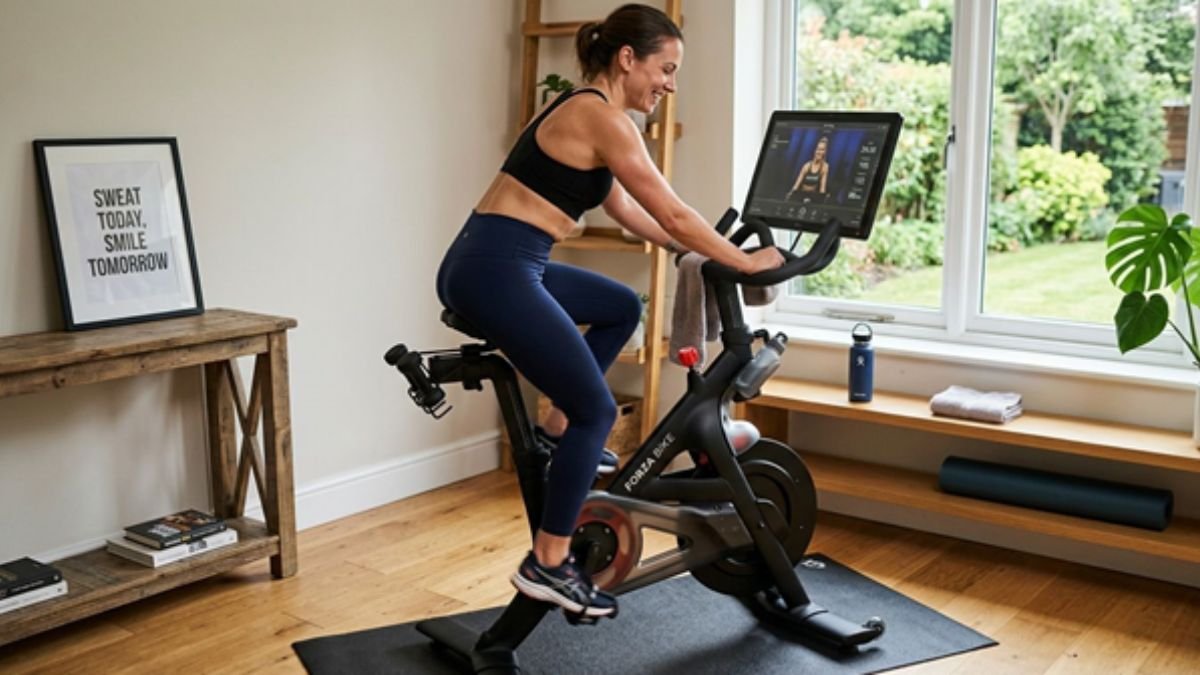
An exercise bike is one of the most effective pieces of home fitness equipment for improving cardiovascular health, burning calories, and staying active regardless of the weather. Whether you’re a beginner looking to build a fitness routine or an experienced athlete wanting to train at home, choosing the right exercise bike can make a significant difference in your workouts.
With so many options available, finding the perfect model may seem overwhelming. This guide will help you understand the different types of exercise bikes, key features to consider, and tips for making the right purchase.
Why Choose an Exercise Bike?
Exercise bikes offer a low-impact workout that’s gentle on the joints while providing excellent cardiovascular benefits. Many fitness enthusiasts who enjoy outdoor activities like scooters and skates also use exercise bikes to maintain their fitness indoors, regardless of the weather. They are suitable for people of all fitness levels and can be used for weight loss, endurance training, or rehabilitation.
Some of the key benefits include:
- Improves heart health and endurance
- Burns calories and supports weight management
- Strengthens leg muscles and core
- Suitable for year-round indoor workouts
- Easy on knees and joints compared to running
Types of Exercise Bikes
Understanding the different styles of exercise bikes is the first step toward making an informed decision.
1. Upright Exercise Bike
An upright bike closely resembles a traditional bicycle. It provides a natural riding position and engages your core while offering an effective cardio workout.
Best for:
- General fitness
- Weight loss
- Small workout spaces
2. Recumbent Exercise Bike
A recumbent bike features a larger seat with back support and pedals positioned in front of the rider. This design reduces stress on the lower back and joints.
Best for:
- Seniors
- Beginners
- Rehabilitation
- People with back or knee issues
3. Indoor Cycling (Spin) Bike
Spin bikes are designed for high-intensity workouts and mimic outdoor cycling. They often include heavier flywheels and adjustable resistance for interval and endurance training.
Best for:
- Serious cyclists
- HIIT workouts
- Advanced fitness enthusiasts
Important Features to Consider
Before buying an exercise bike, compare the following features to ensure it matches your fitness goals.
Resistance System
Resistance determines how challenging your workout will be.
- Magnetic resistance: Quiet, smooth, and low maintenance.
- Friction resistance: More affordable but can be noisier.
- Air resistance: Resistance increases as you pedal faster, making it ideal for intense training.
Flywheel Weight
The flywheel affects the smoothness of your ride. Heavier flywheels generally provide a more realistic cycling experience and better momentum.
Adjustable Seat and Handlebars
Comfort is essential, especially for longer workouts. Choose a bike with adjustable seating and handlebars to accommodate different heights and riding positions.
Display Console
Modern exercise bikes often include LCD or digital displays that track:
- Time
- Distance
- Speed
- Calories burned
- Heart rate
- RPM (Revolutions Per Minute)
Some premium models also offer Bluetooth connectivity and compatibility with fitness apps.
Weight Capacity
Always check the bike’s maximum user weight to ensure safety and durability.
Consider Your Fitness Goals
Different users have different workout needs.
- For weight loss: Look for multiple resistance levels and workout programs.
- For cardio fitness: Choose a bike with heart rate monitoring and endurance-focused settings.
- For rehabilitation: A recumbent bike with comfortable seating is often the best option.
- For athletic training: Invest in a spin bike with adjustable resistance and a sturdy frame.
Matching your fitness goals with the right bike helps maximize your results.
Space and Storage
Measure your available workout area before purchasing. If space is limited, consider a foldable exercise bike or a compact upright model.
Also, check whether the bike has transport wheels, making it easier to move when not in use.
Comfort Matters
Many buyers focus only on features but overlook comfort.
Look for:
- Cushioned seat
- Adjustable saddle height
- Ergonomic handlebars
- Quiet operation
- Smooth pedaling motion
A comfortable bike encourages consistency and makes workouts more enjoyable.
Budget Considerations
Exercise bikes are available across a wide price range.
- Entry-level: Ideal for beginners who need basic features.
- Mid-range: Offers better build quality, smoother resistance, and workout programs.
- Premium: Includes smart technology, interactive training, advanced tracking, and commercial-grade construction.
Rather than choosing the cheapest option, focus on long-term value, durability, and the features you’ll actually use.
Maintenance Tips
Keeping your exercise bike in good condition helps extend its lifespan.
Simple maintenance includes:
- Wipe down the bike after each workout.
- Tighten bolts regularly.
- Check pedals and moving parts.
- Keep electronic displays clean.
- Follow the manufacturer’s maintenance recommendations.
A well-maintained bike delivers smoother performance and lasts for years.
Final Thoughts
Buying the right exercise bike doesn’t have to be complicated. By understanding the different types, comparing essential features, and identifying your personal fitness goals, you can confidently choose a bike that fits your lifestyle and budget.
Whether you’re aiming to lose weight, improve cardiovascular health, or simply stay active from the comfort of your home, investing in the right exercise bike is a step toward long-term fitness success. Take the time to compare your options, prioritize comfort and durability, and select a model that motivates you to ride consistently.
