

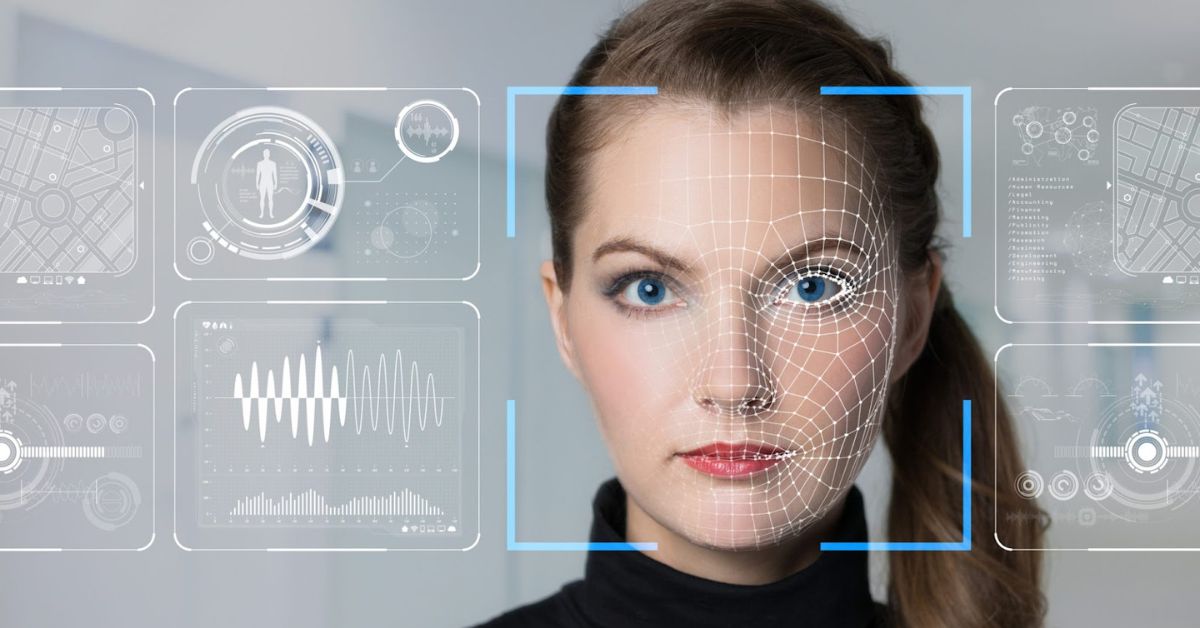
In our modern digital society, where transacting on-line and remotely verifying an identity is the new normal, it is more critical than ever to ensure that a real, live human being is on the other side of those eyes in a camera. This is where liveness detection, also referred to as liveness detection comes in. This is an effective type of biometric security that is meant to distinguish between genuine users and spurious impersonations using photographs, videos, or even masks in order to trick facial recognition systems.
Although the term can appear new, or rather a typo, liveness detection is commonly used colloquially to refer to liveness detection in biometric systems. In this blog post we will unravel what livenes’s detection is, how liveness detection technology works, and why it is vital to contemporary digital security.
What is Liveness Detection?
Liveness detection refers to a biometric security capability to determine that the biometric data presented, e.g. a face, fingerprint or iris, originates with a live human subject and not a fake or synthetic one. Livenes’s detection can be used in the facial recognition context, where it is necessary to prove that the camera is recording a real person who is physically present during authentication.
As deep fakes, AI generated images, and 3D masks become a threat, simple facial recognition is not enough anymore. Basic systems can be deceived with photos or the recorded videos or even with very realistic masks. This has seen liveness detection technology as a key element where secure identity verification is carried out in any industry.
Form of Liveness Detection Technology
Liveness detection technology comes in two forms; active and passive.
1. Active Liveness Detection
Active livenes detection involves the user taking a particular action during the real-time to demonstrate that he/she is physically present. This may be:
Blinking
Smiling
moving the head to the left or the right
Tracking an object on the screen using eyes
This system requires that the user be engaged in such tasks and when performed correctly, it is indicated that there is a live person.
2. Passive Liveness Detection
In contrast with active systems, passive liveness detection is an unobtrusive background process. It uses visual information such as texture, lighting and depth to identify whether the source is a real person or a spoof one.
This type of liveness detection enhances the user experience because no interaction is required except to stare into a camera. It works especially well to prevent fraud and it is also gaining popularity in the smooth process of identity verification.
The Liveness Detection Technology How it Works
Liveness detection technology is based on the use of multiple computer vision and computer artificial intelligence methods to process biometric input. In facial recognition, it normally operates in the form of:
Depth analysis 3D: Real faces are deep, but images are flat. The facial contours are evaluated with depth-sensing cameras or by software algorithms to help determine authenticity.
Texture analysis: The AI algorithms analyze the texture of the skin, reflection in the eyes and consistency of lighting to distinguish a real face and a printed photo or screen replay.
Motion detection: For active liveness detection, the motion pattern such as blinking and head movement is employed as a method to ensure liveness.
Infrared imaging: More sophisticated systems can take infrared light to spot heat signatures or the movement of blood under the skin- again, something a fake image cannot show.
It is so hard that attackers can not slip through the system using false identities because of these features combined.
Why Liveness Detection is Important Now More Than Ever
Cybercrime is on the increase where fraudsters are deploying more advanced tools to get around conventional security systems. In 2024, identity fraud alone cost billions of dollars worldwide and a large portion of that was the result of improper verification procedures.
Liveness detection technology is very vital in dealing with this challenge because:
Possible to prevent identity fraud: When one is sure that the user is real and present, one can prevent an unauthorized access.
Online payments: Banks, payment systems and online shops use biometric verification to complete secure payments. An additional level of trust is liveness detection.
Regulatory compliance: Customer onboarding and authentication must be secure in many industries, which are highly regulated. Liveness detection can assist companies to adhere to KYC (Know Your Customer) and AML (Anti-Money Laundering) regulations.
Improved user experience: Users have a seamless and quick experience of verification with no security shortcuts especially when using passive techniques.
Real-World Applications
Liveness detection is already being implemented in a vast variety of spheres:
Banking & Finance: Employed in the opening of accounts remotely, applications of loans and approvals of high-value transactions.
Healthcare: It ensures that the access to telemedicine consultations and patient data is restricted to authenticated people.
Travel & Immigration: Liveness detection is used in the facial recognition of border checks to detect identity fraud.
eCommerce & Gig Economy: It is used as a real-time verification process of drivers, sellers, and users via platforms such as ride-sharing or online marketplaces.
Future of Liveness Detection Technology
With the evolving nature of AI, spoofing attacks will evolve into more sophisticated attacks. It implies that liveness detection technology has to continue developing as well. There can be expected:
Better and quicker passive detection techniques
Increased deployment of multi-modal biometrics (using a combination of face, voice and fingerprint)
Blockchain and decentralized identity integration
Improved mobile responsiveness to deliver frictionless experiences to users
Firms that invest in more sophisticated liveness detection will be in a better position to trust, reduce fraud, and simplify digital interactions in the coming years.
Conclusion
In a world where digital identity means everything it is no longer optional to verify the presence of the subject, not a convincing image of that subject. Liveness detection, also referred to as livemess detection, has emerged as a core of biometric authentication security. Backed by the latest liveness detection technology, companies can safeguard their platforms, adhere to regulations and provide customers with the secure experiences they demand.
As a fintech startup or as a global business or a government agency, adopting strong liveness detection is not only a matter of security but also a matter of remaining one step ahead of the game of fraud.
